How Bowl Delivery Works

A practical, step-by-step walkthrough of the bowl delivery process — from browsing your options to assembling your meal at home. Understanding what to expect helps you make more confident choices when you order bowls online.

Bowl Delivery: A General Overview

Bowl delivery services have grown substantially as a meal format, combining the nutritional versatility of grain-based, vegetable-forward meals with the convenience of at-home food delivery. Unlike traditional takeaway, well-designed bowl delivery places genuine emphasis on ingredient quality, nutritional transparency and meal composition.

For those new to searching for bowl delivery near me, the experience differs meaningfully from typical fast food delivery. Most reputable bowl services provide:

  • Full ingredient lists and sourcing information
  • Nutritional transparency on macronutrients
  • Customisation options for dietary requirements
  • Packaging designed to preserve freshness and texture
  • Allergen declarations alongside every component

Understanding the structure of this service before you search for lunch bowl delivery allows you to evaluate options with greater clarity and make selections that genuinely align with your nutritional goals.
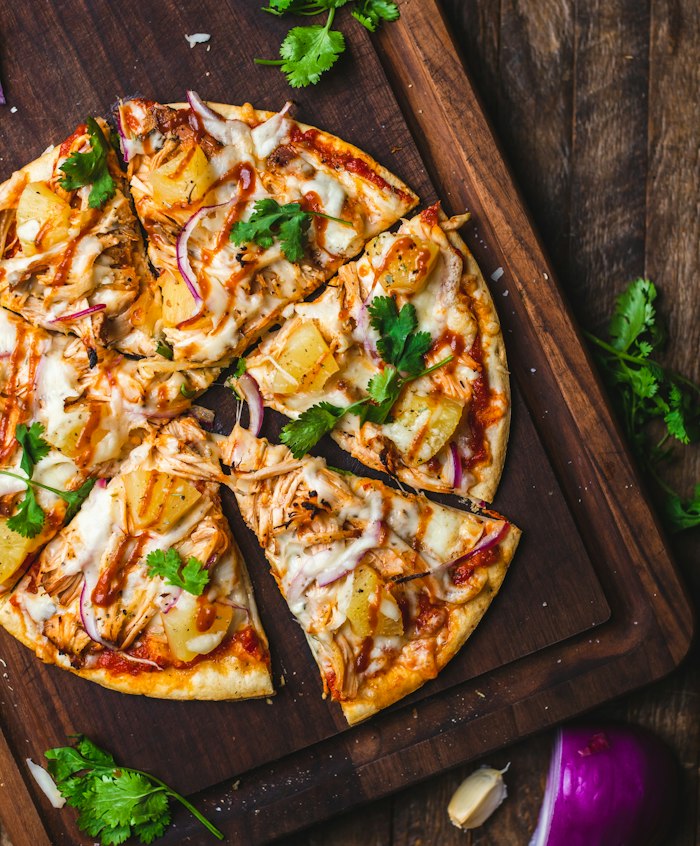
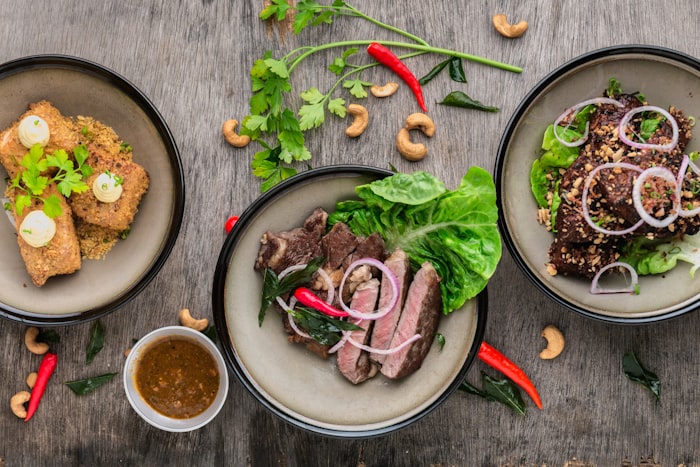
Freshly prepared bowl being packaged for delivery

The Bowl Delivery Process, Explained

From your initial search to the moment you sit down to eat, here is what to expect at every stage of the bowl delivery journey.

1

Browse & Explore Your Options

Begin with a clear understanding of your nutritional priorities. Are you seeking a protein-rich meal for recovery, a light fresh option for midday energy management, or a fully plant-based bowl? Knowing this before browsing helps you filter meaningfully. Use our Nutrition Guide alongside your search to evaluate options with nutritional insight.

2

Review Ingredients & Nutritional Info

Before confirming any bowl selection, review the full ingredient list — not just the headline description. Pay attention to: the protein source and its preparation method, the carbohydrate base (whole grain vs refined), the dressing composition (watch for high-sodium or added-sugar dressings), and any allergen declarations relevant to your dietary needs.

3

Customise for Your Preferences

Most quality bowl delivery services offer meaningful customisation: swapping protein sources, adjusting base grains, omitting allergens, or modifying dressing portions. This flexibility is a significant advantage of bowl formats over more rigid meal options, and allows for precise nutritional alignment.

4

Schedule Your Delivery Window

Bowl delivery is most effective when timed deliberately. For lunch bowl delivery, placing your order before or during the morning allows preparation time and often ensures fresher ingredients. Many services offer scheduled delivery windows to align with your meal routine rather than requiring real-time availability.

5

Receive & Inspect Your Delivery

Well-packaged bowl deliveries will typically arrive with components separated into individual compartments or sealed containers. This preserves texture — preventing greens from wilting under hot proteins, keeping dressings from saturating dry toppings, and maintaining the structural integrity of delicate ingredients such as avocado or microgreens.

6

Assemble Your Bowl

Assembly instructions, when provided, are worth following. The layering order in bowl construction matters: grains form the base, proteins and roasted components go on next, fresh raw vegetables are added to preserve their texture, and dressings are applied last. This approach maintains the intended flavour contrasts and textural variety that distinguishes a well-crafted bowl from a simple salad.

7

Evaluate & Reflect

After your meal, take note of how the bowl made you feel: energy levels, satiety duration, digestive comfort. This feedback loop is invaluable for refining your bowl choices over time. Our Choice Guide helps you use these observations to identify patterns and systematically improve your delivery meal selections.

8

Build a Meal Rotation

Regular bowl delivery works best as part of a considered meal routine rather than an occasional choice. Rotating between bowl categories — protein one day, plant-based the next, light fresh on lighter days — provides the nutritional variety that single-category eating cannot. This approach is explored in depth on our Blog.

What to Expect from Bowl Delivery

Honest, realistic expectations about the bowl delivery experience help you evaluate services objectively and identify genuinely high-quality providers.

What Typically Goes Well

Ingredient variety and freshness, clear nutritional labelling, thoughtful packaging that separates components, and meaningful customisation options are hallmarks of quality bowl delivery services. Most reputable providers excel at presenting diverse, visually appealing meals.

⚠️

Common Limitations

Delivery timing can affect ingredient temperature — particularly warm proteins arriving at room temperature. Dressings occasionally leak in transit. Some services use standardised portions rather than truly customisable ones. Understanding these variables helps you set realistic expectations rather than being disappointed by avoidable surprises.

🔍

How to Evaluate a Service

Look for: full ingredient transparency on the menu, explicit allergen information, evidence of sourcing quality (e.g. free-range, organic), and honest nutritional data. Services that provide macro breakdowns signal commitment to nutritional accountability — a strong indicator of overall quality.

♻️

Packaging & Sustainability

Bowl delivery packaging has evolved significantly. Eco-conscious providers now use compostable containers, recyclable lids and minimal plastic. If sustainability matters to your choices, look for explicit packaging information in the service's product descriptions or environmental statements.

🌡️

Temperature & Food Safety

Hot bowl components are typically delivered in insulated packaging, while fresh salad and raw elements are separated to maintain safety and texture. Check that the service follows appropriate temperature controls, particularly for protein components which carry more specific food safety requirements.

📋

Allergen & Dietary Flags

Any reputable bowl delivery service operating in the US must provide allergen information for the 9 major allergens. If you have specific dietary requirements, verify the service's cross-contamination protocols — particularly important for those with coeliac disease or nut allergies.

Well-packaged bowl delivery components laid out showing separation of ingredients

Understanding How Bowls Are Packaged

The packaging design of a bowl delivery service is one of the most practical indicators of quality. Thoughtful packaging preserves the nutritional integrity of the meal — maintaining the freshness of raw vegetables, the temperature of hot proteins, and the potency of delicate dressings.

🌾
Grain Base Container

Typically a sealed compartment or main container. Grains hold temperature reasonably well and form the structural foundation of the assembled bowl.

🥩
Protein Component

Often in an insulated secondary compartment. Warm proteins are separated from cold raw components to prevent moisture transfer and preserve both food safety and texture.

🥗
Fresh Greens & Vegetables

Kept cold and separated. Raw greens wilting under warm components is the most common packaging failure — quality services use compartmentalised containers to prevent this.

🫙
Dressings & Sauces

Always delivered separately in sealed containers. This preserves dressing flavour integrity and prevents saturation of dry ingredients like seeds, nuts or crispy toppings.

🌰
Toppings & Garnishes

Seeds, nuts, microgreens and crunchy garnishes are typically packaged in separate sachets. These components are added last during assembly to preserve their texture contribution.

Delivery FAQs

Answers to the most frequently asked questions about the bowl delivery process, from practical logistics to nutritional concerns.

Most delivered bowls are intended for same-day consumption to ensure optimal freshness and food safety. If components arrive separated, the individual elements (particularly the grain base and protein) can often be refrigerated for up to 24 hours before assembly. Always keep raw components refrigerated and follow any storage instructions provided by the delivery service.

Most quality bowl delivery services offer meaningful customisation. Common options include swapping animal proteins for plant-based alternatives, removing allergen-containing ingredients, adjusting portion sizes for specific macronutrient targets, and selecting dressings based on dietary requirements (e.g. oil-free, gluten-free, dairy-free). Always verify cross-contamination policies if you have severe allergies.

For a lunch break, light and fresh bowls or balanced meal bowls tend to be ideal choices. They provide sufficient energy and nutrients to sustain afternoon performance without triggering the post-meal heaviness associated with high-carbohydrate or high-fat meals. Protein bowls are also excellent if you have an active afternoon ahead. See our Choice Guide for more tailored recommendations.

Look for services that provide: complete ingredient lists (not just category names), macro breakdowns per serving, allergen declarations for the 9 major allergens, and preparation method transparency. Nutritionally transparent services will clearly distinguish between, for example, a tahini dressing made from whole sesame seeds versus one made from processed oil, or between a grilled protein and a fried one.

If packaging is significantly compromised, ingredients are mixed in a way that suggests temperature control failure (e.g. warm liquid has soaked cold greens), or if any component appears off in smell or appearance, err on the side of caution. Contact the delivery service directly. Most reputable providers have clear replacement or refund policies for delivery quality issues.

Absolutely. Bowl delivery can be highly compatible with structured meal planning, particularly for weekday lunches. The key is building a rotation across different bowl categories to ensure nutritional variety — for example, alternating protein bowls, plant-based options and light fresh bowls across the working week. Our blog article on meal balance explores this approach in detail.

Ready to Make Informed Bowl Choices?

Now that you understand the delivery process, explore the nutrition behind each bowl type or use our Choice Guide to match a bowl to your lifestyle.